MEDVi Reviews USA: Revolutionising Accessible Weight Loss Through Telehealth and GLP-1 Therapy
In March 2026, the demand for effective, affordable weight loss solutions remains at an all-time high. GLP-1 receptor agonists like semaglutide and tirzepatide have transformed obesity management, delivering average weight reductions of 15-20% or more in clinical settings when combined with lifestyle changes. However, branded options such as Wegovy and Zepbound often cost over $1,000 per month without insurance coverage, creating barriers for many.
Enter MEDVi, a U.S.-based telehealth platform that has rapidly gained traction by offering access to compounded versions of these medications at significantly lower prices. With over 100,000 patients reportedly served, MEDVi emphasizes convenience, medical supervision, and month-to-month flexibility. This in-depth article explores what MEDVi is, how it works, its pricing, real user experiences, safety considerations amid recent regulatory developments, comparisons to competitors, and whether it’s a viable option for sustainable weight loss in 2026.
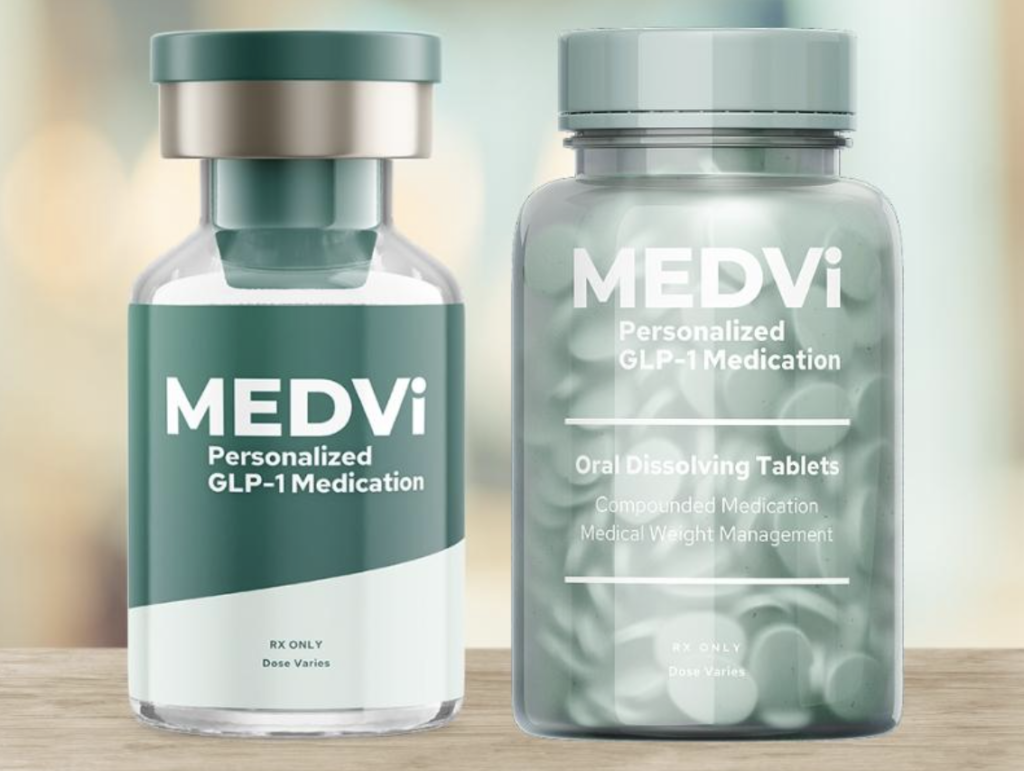
What Is MEDVi and How Does It Fit into the GLP-1 Landscape?
MEDVi operates as a direct-to-consumer telehealth service connecting patients with licensed U.S. healthcare providers for physician-supervised weight management. Launched around 2023 and headquartered in areas like San Diego, California, with operations in Newark, Delaware, the platform focuses exclusively on GLP-1 therapies.
GLP-1 medications mimic hormones that regulate appetite, slow digestion, improve insulin sensitivity, and promote satiety. Semaglutide (the active ingredient in Ozempic/Wegovy) targets GLP-1 receptors, while tirzepatide (in Mounjaro/Zepbound) dual-activates GLP-1 and GIP receptors, often yielding slightly superior weight loss results in head-to-head studies.
MEDVi provides compounded formulations—not the branded, FDA-approved versions—produced by licensed compounding pharmacies. Compounding allows customization (e.g., dosages or forms) during shortages or for specific needs, but these products lack the same FDA approval as branded drugs.
The official website, medvi.org, highlights personalized plans, including weekly injections or daily oral tablets (a convenient newer option). Patients complete an online intake form detailing medical history, weight goals, and comorbidities. Licensed providers review qualifications, prescribe if appropriate, and ship medication directly with fast, often free shipping.
Key program features include:
- Unlimited virtual consultations
- 24/7 provider messaging
- Ongoing monitoring and adjustments
- No long-term contracts—cancel anytime
- HSA/FSA acceptance (no direct insurance billing)
This model democratizes access amid high branded-drug costs and supply issues.
Step-by-Step: How the MEDVi Program Works in 2026
- Online Assessment — Users visit medvi.org and complete a health questionnaire covering BMI, medical conditions, medications, and goals. This takes 10-15 minutes.
- Physician Review — A board-certified provider (often through partner networks) evaluates eligibility. Common qualifications include BMI ≥27 with weight-related issues or ≥30. Contraindications (e.g., history of medullary thyroid cancer) are screened.
- Personalized Plan — Approved patients receive a plan, often starting with semaglutide or tirzepatide based on provider recommendation. MEDVi offers tools to compare options: semaglutide for steady results, tirzepatide for potentially greater loss.
- Medication Delivery — Compounded medication ships discreetly. Injections use pre-filled pens or vials; tablets dissolve under the tongue.
- Ongoing Support — Patients track progress via app/messaging, attend virtual check-ins, and adjust doses. Lifestyle guidance (diet, exercise) complements medication.
Many report noticeable appetite suppression within the first week, with steady 1-2+ pounds lost weekly after adjustment.
Pricing Breakdown: Is MEDVi Truly Affordable?
MEDVi’s pricing stands out in 2026’s market:
- Introductory Offer: $179 for the first month (includes consultation, plan, and medication).
- Ongoing Refills: Typically $299/month for injections; oral options around $249+ initially.
- No Hidden Fees: Transparent, month-to-month—no contracts or surprise charges.
- Promotions: Spring 2026 deals often feature $179 starts with free shipping.
Compared to branded Wegovy/Zepbound ($1,000–$1,500/month), this represents 70-80% savings. Other telehealth providers charge $300–$600/month, making MEDVi one of the more budget-friendly options for self-pay patients.
Real User Experiences and Reviews in 2026
Customer feedback varies across platforms like Trustpilot (often 4.5/5 “Excellent”), ConsumerAffairs, and Reddit communities (e.g., r/tirzepatidecompound).
Positive reports dominate:
- Significant weight loss: Users share 30–45+ pounds over months, improved energy, confidence, and health markers (e.g., lower blood pressure).
- Convenience: Fast approvals, reliable shipping, responsive support.
- Value: Many praise the low entry price and no-contract flexibility.
Examples from recent reviews:
- A 10-month user lost 45 pounds, noting sustained appetite control and better mood.
- Others highlight quick hunger reduction and positive doctor interactions.
Criticisms exist:
- Shipping/delivery issues (e.g., leaking vials in rare cases).
- Customer service delays or billing disputes.
- Variable results—some experience minimal effects or side effects like nausea.
Overall, satisfaction appears high among those who qualify and adhere, though compounded nature means variability.
Safety, Regulations, and Important 2026 Updates
Compounded GLP-1s carry caveats. They aren’t FDA-approved as finished products, and the agency has raised concerns about quality, dosing accuracy, contamination, and misleading marketing.
In early 2026, the FDA intensified scrutiny:
- February announcements signaled actions against non-approved GLP-1 compounding.
- March 3, 2026: The FDA issued warning letters to 30 telehealth companies (including some for false “sameness” claims or improper branding) regarding compounded semaglutide/tirzepatide.
While MEDVi isn’t explicitly named in recent broad warnings, the landscape demands caution. The platform stresses partnerships with licensed pharmacies and providers, positioning itself as compliant facilitator.
Common side effects (nausea, vomiting, diarrhea) mirror the GLP-1 class; rarer risks include pancreatitis or gallbladder issues. MEDVi requires medical screening and monitoring.
Experts recommend:
- Consulting personal physicians.
- Monitoring for counterfeit risks.
- Considering branded options if insurance covers them.
Compounded versions remain legal under certain conditions (e.g., shortages), but FDA actions could impact availability.
MEDVi vs. Other Telehealth GLP-1 Providers in 2026
Top competitors include:
- PlushCare, Mochi Health, Hims & Hers — Often higher-rated for care quality but pricier.
- WeightWatchers Clinic, Noom Med — Bundle behavioral support.
- Ro, Willow — Insurance navigation for some.
MEDVi excels in affordability and simplicity for self-pay users seeking straightforward GLP-1 access. It may lack extras like in-depth coaching but prioritizes medical oversight and low barriers.
Final Thoughts: Is MEDVi Worth Considering in March 2026?
MEDVi represents a practical entry into GLP-1 therapy for those priced out of branded drugs. Its low starting cost, flexibility, and reported results make it appealing for motivated individuals.
Success depends on:
- Realistic expectations (medication aids, not replaces, lifestyle changes).
- Tolerance for compounded risks.
- Comfort with telehealth.
If exploring, start at medvi.org for a free assessment—but always cross-reference with your doctor. Weight loss journeys are personal; sustainable results come from informed, supervised approaches.
As regulations evolve in 2026, platforms like MEDVi highlight the tension between accessibility and oversight in modern healthcare. For many, it offers hope in achieving healthier weights affordably.